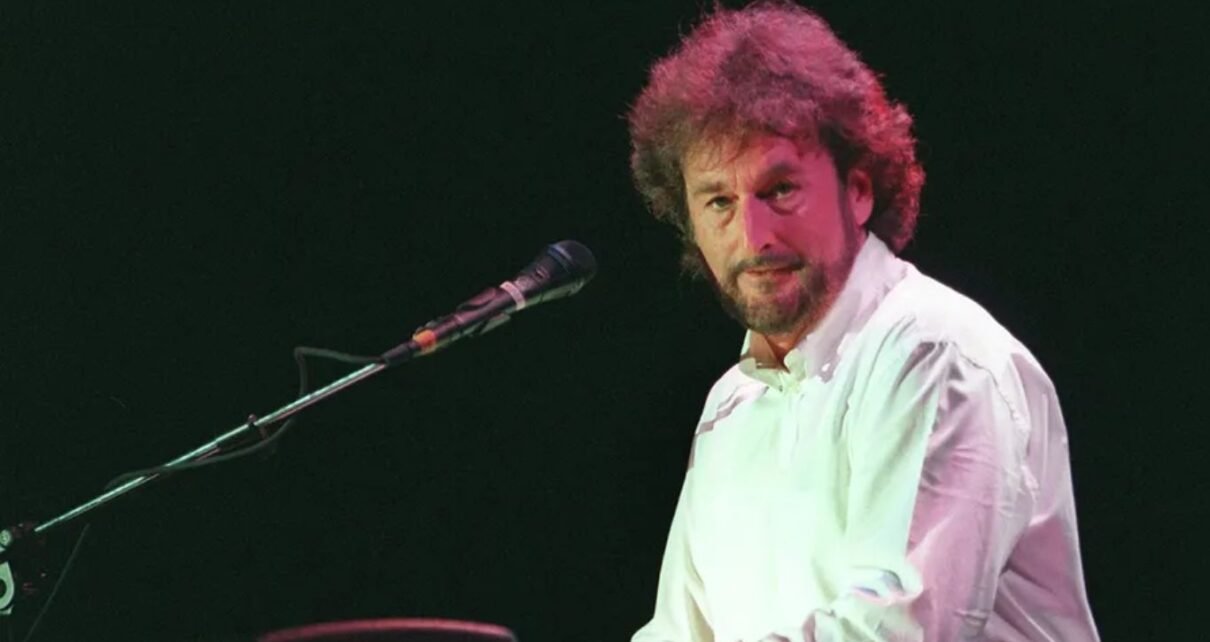
The world of progressive rock is mourning the loss of Rick Davies, the legendary co-founder, keyboardist, and lead vocalist of the iconic British band Supertramp. Known for his smoky voice, jazzy piano lines, and sharp songwriting, Davies passed away at the age of 81 on September 5, 2025, after a long battle with multiple myeloma.
His death marks the end of an era, but his legacy lives on through chart-topping classics like The Logical Song, Goodbye Stranger, and Bloody Well Right. Fans and musicians alike remember Davies as a musical craftsman who helped shape the sound of 70s and 80s rock.
Early Life and Musical Foundations
Rick Davies was born on July 22, 1944, in Swindon, Wiltshire, England. From a young age, Davies showed a keen interest in music, especially jazz and blues. His first instrument was the drums, but he later discovered his true passion was in keyboards and piano.
As a teenager, he was inspired by jazz greats like Art Blakey and Oscar Peterson. These influences would later merge with progressive rock to create the distinct sound of Supertramp. Before founding the band, Davies played in several local groups and eventually joined a band called The Joint, where he sharpened his skills.
The Birth of Supertramp
In 1969, Rick Davies placed an ad looking for musicians to form a new progressive rock band. He received a response from Roger Hodgson, a guitarist and songwriter. The duo formed the nucleus of Supertramp, originally funded by a Dutch millionaire. Their self-titled debut album was released in 1970 but received little commercial attention.
The band truly found its voice with their third album, Crime of the Century (1974), where Davies and Hodgson shared writing and vocal duties. Their contrasting styles—Davies’ bluesy baritone and Hodgson’s high-pitched vocals—became the band’s signature.
Supertramp’s Rise to Fame
Supertramp rose to international fame in the mid-to-late 1970s. Their music blended rock, pop, jazz, and even classical elements into a sophisticated, yet accessible sound.
Major Albums and Hit Songs
| Album | Year | Notable Songs |
|---|---|---|
| Crime of the Century | 1974 | Dreamer, Bloody Well Right |
| Even in the Quietest Moments… | 1977 | Give a Little Bit, Babaji |
| Breakfast in America | 1979 | The Logical Song, Goodbye Stranger, Take the Long Way Home |
| …Famous Last Words… | 1982 | It’s Raining Again, My Kind of Lady |
The band’s 1979 release, Breakfast in America, became a global phenomenon. It sold over 18 million copies worldwide, topping charts in multiple countries and winning multiple awards.
Rick Davies played a crucial role as both a composer and performer. His lyrics often tackled themes of societal critique, emotional conflict, and introspection.
Rick Davies’ Distinctive Style
While Hodgson may have received more radio play during Supertramp’s heyday, Davies provided the band’s rhythmic soul and musical backbone. His deep, husky voice contrasted beautifully with Hodgson’s falsetto. Songs like Bloody Well Right, Goodbye Stranger, and Just Another Nervous Wreck are perfect showcases of his vocal prowess and lyrical depth.
Davies was also a master of the Wurlitzer electric piano, which became a defining element of Supertramp’s sound. He often incorporated jazz progressions and blues riffs into the band’s arrangements, making the music both technically interesting and emotionally resonant.
Life After Roger Hodgson’s Departure
In 1983, Roger Hodgson left the band to pursue a solo career. Many fans believed Supertramp would disband, but Rick Davies decided to continue under the band’s name. With Davies now at the helm, Supertramp released albums like:
- Brother Where You Bound (1985)
- Free as a Bird (1987)
- Some Things Never Change (1997)
- Slow Motion (2002)
While these albums didn’t achieve the same commercial success as earlier records, they showcased Davies’ commitment to evolving the band’s sound and maintaining musical integrity.
Later Years and Health Struggles
In 2015, Rick Davies announced that he had been diagnosed with multiple myeloma, a type of cancer that affects plasma cells in the bone marrow. He canceled all remaining Supertramp tour dates and stepped away from public life to focus on treatment.
Despite his illness, Davies occasionally made low-key appearances with his side project, Ricky and the Rockets, a local blues band he performed with for fun. His passion for music remained unwavering, even as his health declined.
Rick Davies’ Personal Life
Rick Davies was known as a reserved and grounded individual. He spent most of his later years in the U.S., residing in Long Island, New York, with his wife Sue Davies, who also managed Supertramp’s business affairs since the mid-1980s. The couple were married for more than 50 years, and those who knew them describe their relationship as a partnership built on love and mutual respect.
Unlike many rock stars of his era, Davies stayed away from excessive fame, preferring a quiet and private lifestyle. He rarely gave interviews and remained focused on his craft rather than the spotlight.
A Lasting Legacy
Rick Davies’ influence stretches far beyond Supertramp’s commercial success. He helped pioneer a genre that fused complexity with catchiness, pushing the boundaries of what mainstream rock could be.
Musical Contributions at a Glance
| Role | Contribution |
|---|---|
| Vocalist | Bluesy, soulful baritone |
| Songwriter | Deep, introspective, often sarcastic lyrics |
| Keyboardist | Master of the Wurlitzer and piano |
| Bandleader | Continued Supertramp’s legacy post-1983 |
| Innovator | Combined pop accessibility with prog-rock depth |
His style influenced countless bands that came after, including modern acts that have cited Supertramp as an influence in blending genres and experimenting with soundscapes.
Tributes from the Music Community
Since the announcement of his passing, tributes have poured in from across the globe. Musicians, fans, and industry professionals have shared their memories and gratitude.
Common Themes in Tributes:
- A visionary who brought intellect to rock music
- A humble genius who let the music speak for itself
- A master of songwriting and keyboard craftsmanship
Fans took to social media to recall how songs like Take the Long Way Home or Rudy helped them through tough times, shaped their youth, or inspired their own musical paths.
Discography Highlights
Here’s a breakdown of Rick Davies’ key contributions across Supertramp’s studio albums:
| Album Title | Year | Role | Notable Tracks |
|---|---|---|---|
| Supertramp | 1970 | Co-founder | Surely, Nothing to Show |
| Crime of the Century | 1974 | Co-writer | Bloody Well Right, Rudy |
| Crisis? What Crisis? | 1975 | Lead vocals | Ain’t Nobody But Me, Poor Boy |
| Even in the Quietest Moments | 1977 | Composer | From Now On, Lover Boy |
| Breakfast in America | 1979 | Co-lead vocals | Goodbye Stranger, Just Another Nervous Wreck |
| …Famous Last Words… | 1982 | Lead vocals | My Kind of Lady, C’est Le Bon |
| Brother Where You Bound | 1985 | Lead | Title track, Cannonball |
| Some Things Never Change | 1997 | Full creative | You Win, I Lose, Sooner or Later |
Remembering Rick Davies: At a Glance
| Attribute | Details |
|---|---|
| Full Name | Richard Davies |
| Born | July 22, 1944 |
| Died | September 5, 2025 |
| Age | 81 |
| Hometown | Swindon, England |
| Residence | Long Island, New York |
| Instrument | Piano, Wurlitzer, vocals |
| Band | Co-founder of Supertramp |
| Marital Status | Married to Sue Davies |
| Known For | The Logical Song, Goodbye Stranger, Bloody Well Right |
| Personality | Humble, private, musically devoted |